





Great work Koen!
I'm always amazed by the amount of new details that can be found in the VM that leave me puzzled how we could overlook them for so long!
However I have to add something about the plant- and especially flower shapes. I have so far considered the VM plants largely fantastic but the flowers appear to have some properties which are more botanically correct than expected.
First of all, to me the VM plants look strangely 2-dimensional or flat. This may be artistic style or simply lacking skill of the artist. But it could also be the case that we are looking at herbarized or pressed plants and the way certain plant and especially flower shapes are preserved after pressing.
One example would be the lpetiole protruding into the center of leaves in A plants. This would be the abaxial or backside of pressed leaves. Leaves all pointing in one direction and flowers into the other may also be a style of arranging plants for herbarizing. This saves space and makes flowers stand out after pressing.
But most importantly I'd like to say something about the difference between A and B flowers.
You noted the difference between A and B flowers and attributed them to the artist's preference, however I think this is at least partly due to necessity to depict certain types of flowers.
B- flowers are often of the daisy type with a wide calyx formed of more than 3 lobed elements (you write tepals in your blog btw, this should be corrected, frankly it's not any flower parts, neither tepals nor sepals but bracts.)
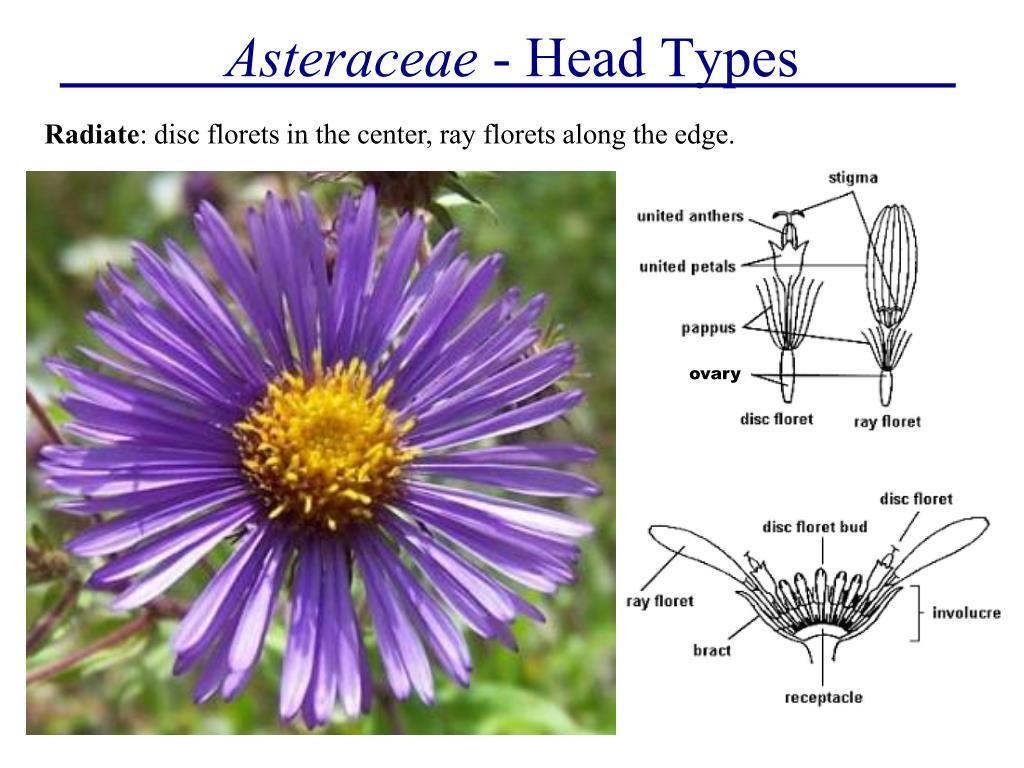
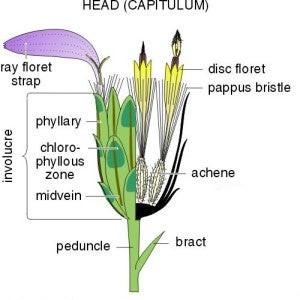
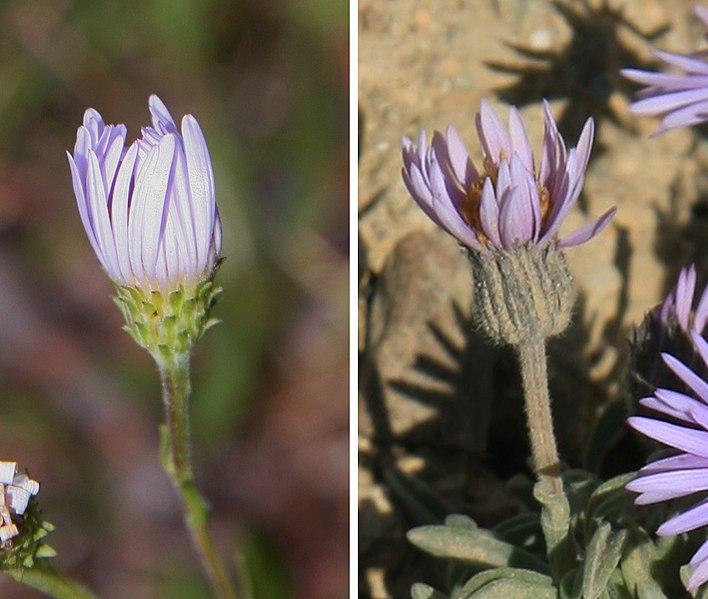
Asteraceae form floral heads or capitulae, composite flowers consisting of a central head with disc florets surrounded by asymmetric ray florets and protected by an involucre which consists of many phyllaries or involucral bracts. This is exactly what we see in what you call a 'wide B-type calyx'!
You are not allowed to view links. Register or Login to view.
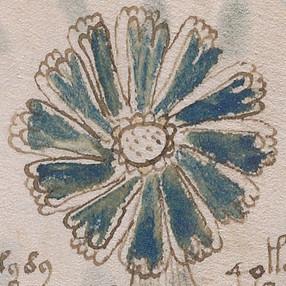
I also do not think what you call 'daisy' has been inserted into another flower type anywhere, it is simply the disc florets surrounded by ray florets. All daisy-type flowers look quite realistic compared to other VM flowers. Look at f40r, if you look closely you can see 2 whorls of ray florets around a central disc, only the upper one has been painted in blue. There are a number of Asteraceae with a very similar flower shape like Gaillardia.
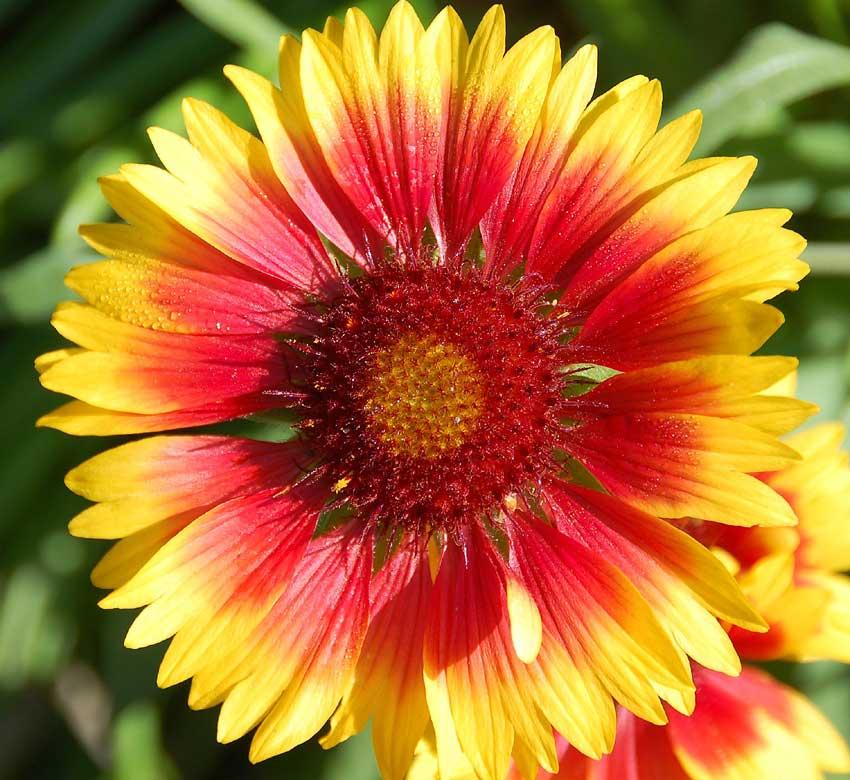
Due to the disc shape, when pressing such flowers you will usually see the center. Depending on the flatness of the flower disc they will either be preserved in ventral (full frontal) or ventrolateral (half front, half side) view. In both cases the center is visible.
In contrast, A-type campanulate (bell-shaped) flowers pretty much have to end up in lateral view when pressed. It's very hard to press a campanulate flower in ventral view so you can look into the center. Again you usually see exactly what we find in the manuscript, all petal tips are visible in 2 rows but not the center.
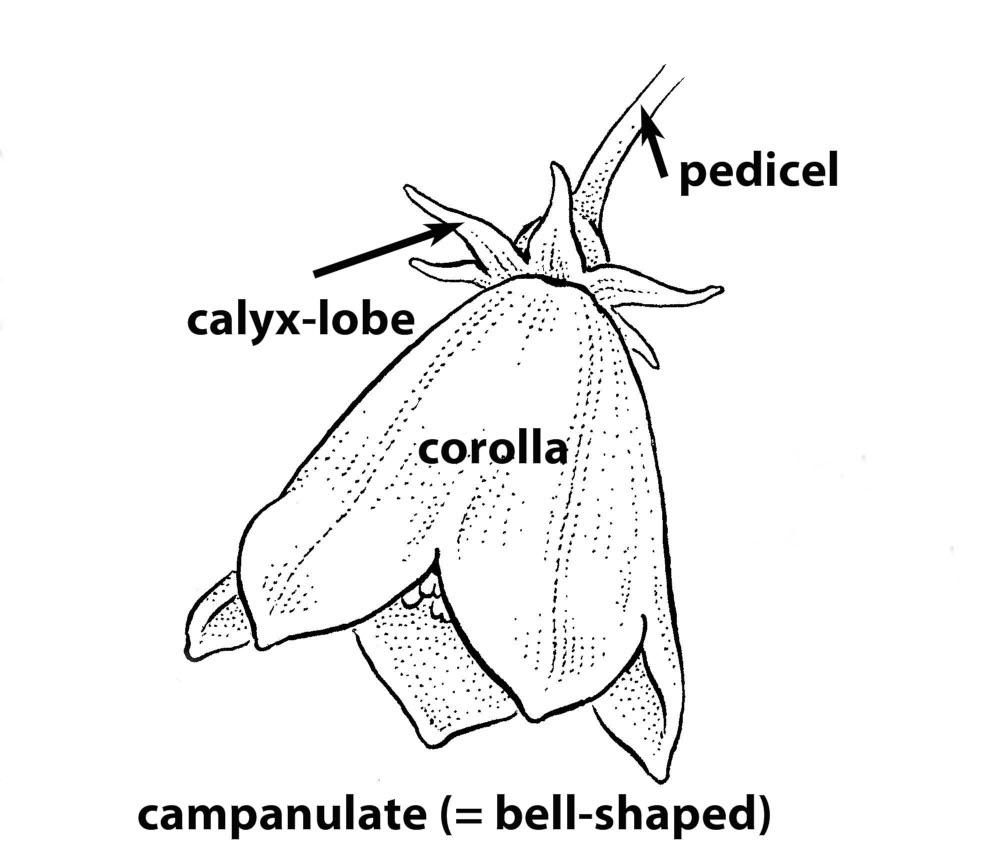
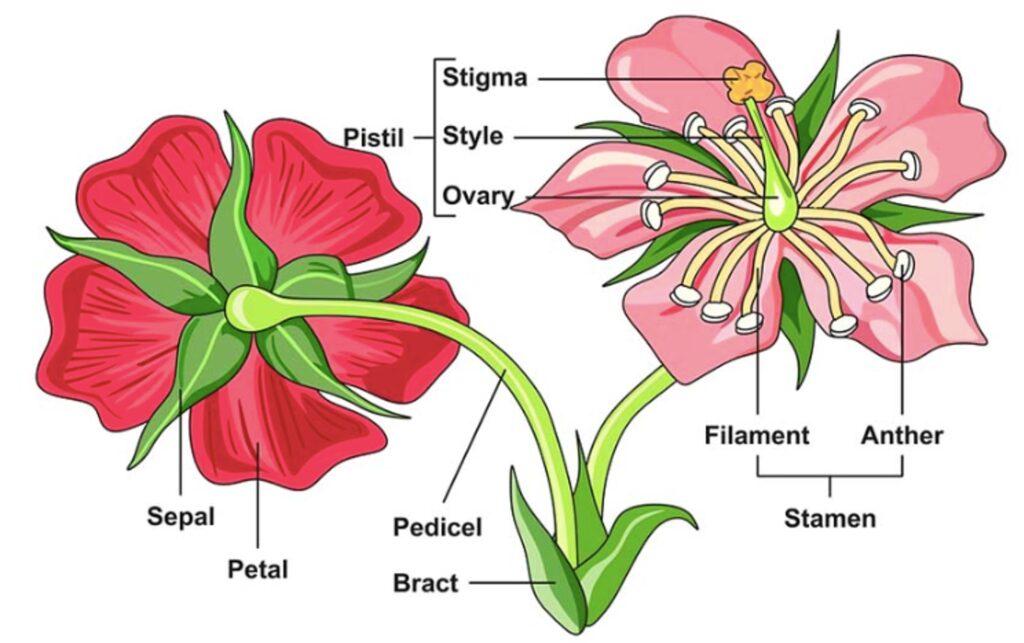
The 3-lobed calyx of A-flowers is consistent with pentamerous (consisting of 5 parts) flowers of most dicots. The calyx consists of 5 sepals but only 3 are visible from lateral view. Note that such flowers in the VM usualy have 4 or 6 petals rather than 5 as it is common in most dicot flowers.
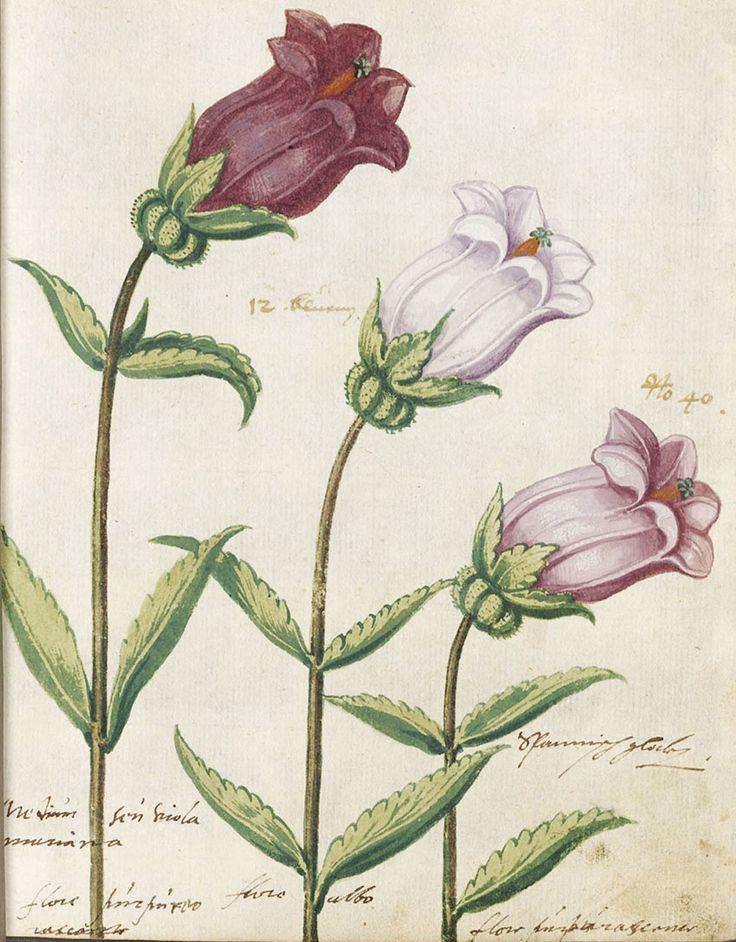
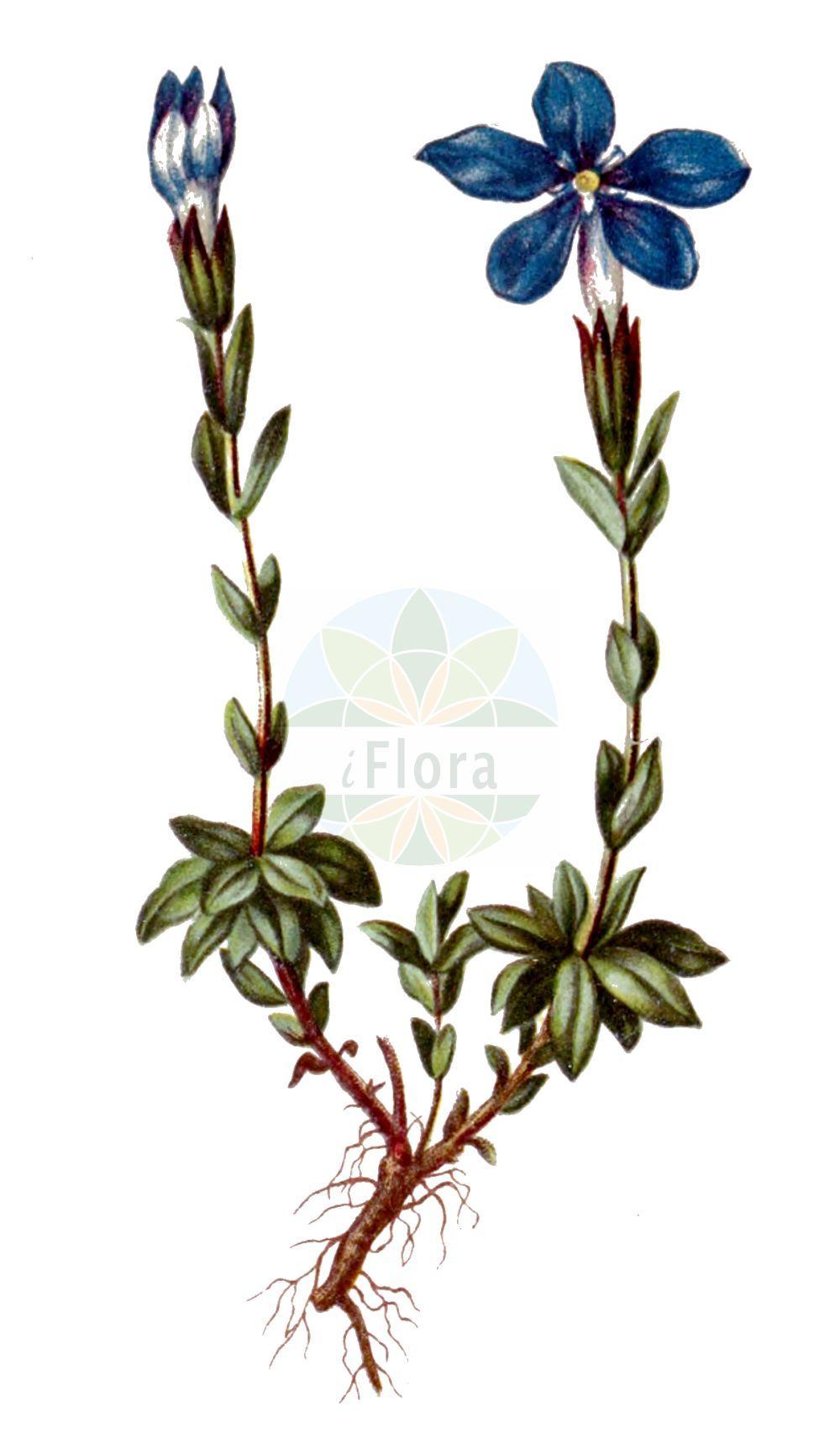
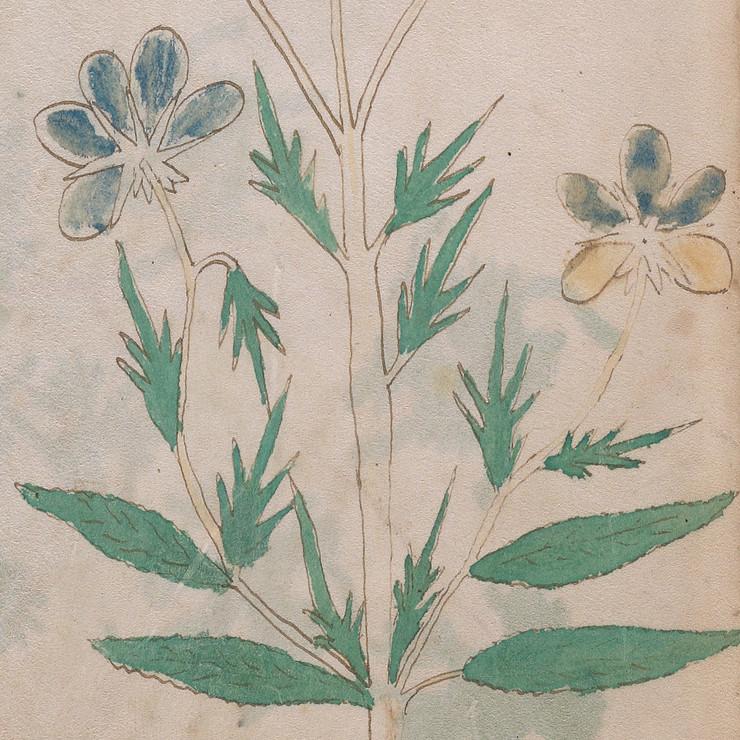
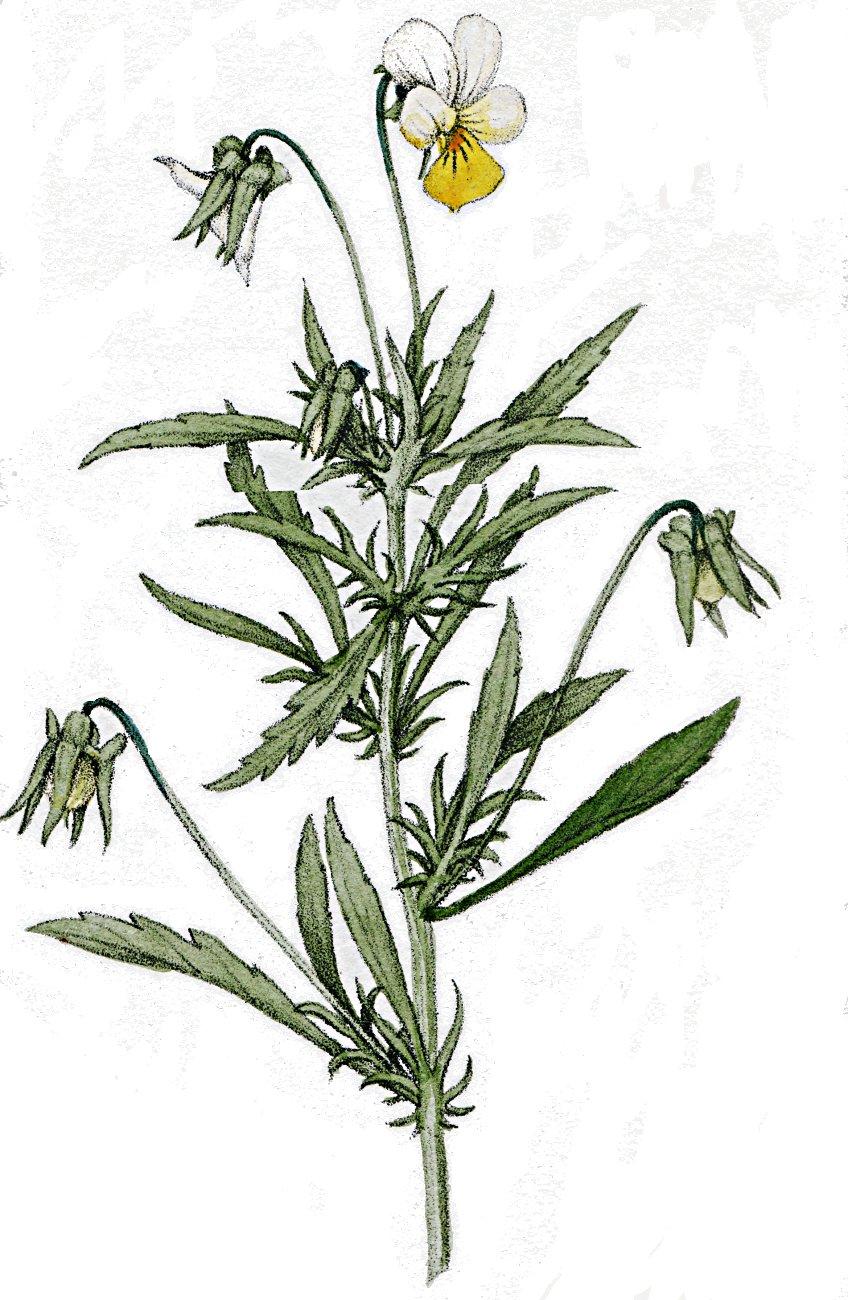
Another interesting case is the You are not allowed to view links. Register or Login to view. 'violet' with 2 leaf shapes which indeed exist in Viola arvensis due to stipulae that look very much like what we see in the drawing. Also I think this is the only VM drawing which presents flowers in both dorsal and ventral view. In an idealized botanical drawing you'd usually want to show flowers from many different angles. Mostly that's not the case in the VM, maybe because the plants were pressed in a way that only preserved flowers in one orientation?
Bottom line - while the plants may be fantastic, they consist of parts which are botanically more or less correct and show that the artist(s) were quite familiar with floral anatomy.
B: The daisy- type Asteraceae composite-flowers displaying disc florets, sometimes ray florets and an involucre in ventrolateral or ventral view
A: Pentamerous (?) often campanulate flowers with a calyx that has 3 partially fused sepals visible, mostly in lateral view, non-campanulate flowers also in ventrolateral view as typical for many dicot flowers.
However neither do I have an explanation how this fits together with the strange leaves and roots nor why we largely have pentamerous flowers in A and Asteraceae only in B. But I think we can say it's not merely artistic style but meant to depict a different type of plants in A and B.
I'm always amazed by the amount of new details that can be found in the VM that leave me puzzled how we could overlook them for so long!
However I have to add something about the plant- and especially flower shapes. I have so far considered the VM plants largely fantastic but the flowers appear to have some properties which are more botanically correct than expected.
First of all, to me the VM plants look strangely 2-dimensional or flat. This may be artistic style or simply lacking skill of the artist. But it could also be the case that we are looking at herbarized or pressed plants and the way certain plant and especially flower shapes are preserved after pressing.
One example would be the lpetiole protruding into the center of leaves in A plants. This would be the abaxial or backside of pressed leaves. Leaves all pointing in one direction and flowers into the other may also be a style of arranging plants for herbarizing. This saves space and makes flowers stand out after pressing.
But most importantly I'd like to say something about the difference between A and B flowers.
You noted the difference between A and B flowers and attributed them to the artist's preference, however I think this is at least partly due to necessity to depict certain types of flowers.
B- flowers are often of the daisy type with a wide calyx formed of more than 3 lobed elements (you write tepals in your blog btw, this should be corrected, frankly it's not any flower parts, neither tepals nor sepals but bracts.)
Asteraceae form floral heads or capitulae, composite flowers consisting of a central head with disc florets surrounded by asymmetric ray florets and protected by an involucre which consists of many phyllaries or involucral bracts. This is exactly what we see in what you call a 'wide B-type calyx'!
You are not allowed to view links. Register or Login to view.
I also do not think what you call 'daisy' has been inserted into another flower type anywhere, it is simply the disc florets surrounded by ray florets. All daisy-type flowers look quite realistic compared to other VM flowers. Look at f40r, if you look closely you can see 2 whorls of ray florets around a central disc, only the upper one has been painted in blue. There are a number of Asteraceae with a very similar flower shape like Gaillardia.
Due to the disc shape, when pressing such flowers you will usually see the center. Depending on the flatness of the flower disc they will either be preserved in ventral (full frontal) or ventrolateral (half front, half side) view. In both cases the center is visible.
In contrast, A-type campanulate (bell-shaped) flowers pretty much have to end up in lateral view when pressed. It's very hard to press a campanulate flower in ventral view so you can look into the center. Again you usually see exactly what we find in the manuscript, all petal tips are visible in 2 rows but not the center.
The 3-lobed calyx of A-flowers is consistent with pentamerous (consisting of 5 parts) flowers of most dicots. The calyx consists of 5 sepals but only 3 are visible from lateral view. Note that such flowers in the VM usualy have 4 or 6 petals rather than 5 as it is common in most dicot flowers.
Another interesting case is the You are not allowed to view links. Register or Login to view. 'violet' with 2 leaf shapes which indeed exist in Viola arvensis due to stipulae that look very much like what we see in the drawing. Also I think this is the only VM drawing which presents flowers in both dorsal and ventral view. In an idealized botanical drawing you'd usually want to show flowers from many different angles. Mostly that's not the case in the VM, maybe because the plants were pressed in a way that only preserved flowers in one orientation?
Bottom line - while the plants may be fantastic, they consist of parts which are botanically more or less correct and show that the artist(s) were quite familiar with floral anatomy.
B: The daisy- type Asteraceae composite-flowers displaying disc florets, sometimes ray florets and an involucre in ventrolateral or ventral view
A: Pentamerous (?) often campanulate flowers with a calyx that has 3 partially fused sepals visible, mostly in lateral view, non-campanulate flowers also in ventrolateral view as typical for many dicot flowers.
However neither do I have an explanation how this fits together with the strange leaves and roots nor why we largely have pentamerous flowers in A and Asteraceae only in B. But I think we can say it's not merely artistic style but meant to depict a different type of plants in A and B.
![[+]](https://www.voynich.ninja/images/collapse_collapsed.png)
